
- Home
- How to manage Stretch Marks
- Contact Us
- Home
- How to manage Stretch Marks
- Contact Us
Pregnancy and Your Skin: 12 Effective Epidermis Tips for Expectant Moms
Posted by Editor on Jul 2, 2016 in Skin Care During Pregnancy, Stretch Mark | Comments Off on Pregnancy and Your Skin: 12 Effective Epidermis Tips for Expectant Moms
Motherhood brings a wealth of excitement to your life. All of the things that come with your new little bundle of joy almost makes you forget the previous nine months. Being pregnant affects your entire body, and one particular aspect that is significantly impacted is your skin. Your skin gets stretched beyond its limits, and it does not simply bounce back to its original elastic self once the baby departs.
For most women, stretch marks are a part of pregnancy, but there are things you can do to reduce their appearance or even avoid them altogether. First, you need to understand how they develop and why healthy skin is a big factor.
Photo by Patrick Fitzgerald / CC BY
How exactly is your skin impacted during pregnancy and what are the best ways to keep it healthy? To accommodate a baby, your skin has to stretch, and stretch a lot. Stretch marks develop when your body is growing at a faster rate than your skin. The fibers below your skin – the ones that act as rubber bands and spring back into shape when stretched – can break when your body is growing as fast as it does during pregnancy.
Your stomach is one of the prime locations for stretch marks to form because it is an area that grows at a greater rate than other areas of your body. The obvious solution to preventing stretch marks is to not gain weight during pregnancy, but that is not feasible. The majority of women get them during the last few months of their pregnancy and the coloring of the marks differs according to your skin color. Lighter skin often results in pink stretch marks, and darker skin leads to marks that contrast more with their skin color.
Stretch marks may not always be preventable, but your skin is a living tissue that you need to care for and keep properly hydrated. Taking care of your skin needs to begin prior to, during and after your pregnancy. These methods involve specific nutritional choices, topical ointments, and even go as far as surgery, but the tips provided here focus on natural steps to take in stretch mark removal, as well as stretch mark fading during and after your pregnancy.
1. Make the Stretch Mark-Diet Connection
Photo by S. J. Pyrotechnic / CC BY
The way you eat when you are pregnant contributes to your skin’s response to your pregnancy. When your body forms collagen, your skin can naturally utilize its elastic properties and stretch and return to its original appearance and tightness.
To encourage your body to develop additional collagen, consume gelatin. Yes, that old powdery concoction usually associated with Jell-O. But gelatin has many additional methods of preparation:
- Prepare a bone broth for use in soups and sauces.
- Use this broth to season rice for added taste.
- Thicken up a dish you make with gelatin and improve the texture and gain the collagen benefits.
Pregnancy has probably already made you change your diet for the better. When you are growing a little one, you automatically think of different vitamins and nutrients that you could be consuming, and that might be helpful to both mom and child.
Your skin is your first line of defense against toxins entering your body. Just as your body fends off toxins, it also welcomes healthy entities. Your skin can be immediately affected in a good way by a nourishing diet. Eat foods that help your skin. When foods help your skin, they likely have positive effects on the inside of your body, too. Another positive to foods that help your skin is that you can see the impact more readily, which can encourage you to continue use of the product, oil or healthier intake of food. Look for these skin-friendly elements when planning your meals:
- Antioxidants – Antioxidants help protect your skin. These are foods like fresh vegetables and berries.
- Vitamin E – Provide added protection to the cells in your skin by eating broccoli, nuts and avocados.
- Vitamin A – This vitamin helps your skin heal. Stretch marks are certainly an aspect of your skin that needs time to heal, but carrots, mango and red bell peppers all have vitamin A to help in that process.
- Omega-3 and Omega-6: Foods like eggs, walnuts, and fish have these omega fatty acids. These foods help keep the cells in your skin being healthy.
2. Eating for Two: How to Gain Weight the Right Way
Pregnancy gives a lot of validity to the “eating for two” concept, but this motto can be overdone. If it is, it will likely only encourage your belly skin to stretch far beyond the point where it will naturally return with no marks. This is not to say that you should starve yourself. But gaining weight too quickly means you won’t give your body a chance to respond naturally and healthily.
Although, your body will respond naturally by developing stretch marks in exactly the areas you wish there not to be any. Developing a healthy baby means eating healthily. The vessel in which he or she is growing in needs to consume more calories, but not indiscriminately. A helpful tip is to eat a little bit of what you desire and eat everything in moderation.
You can also fill yourself up by consuming a larger portion of vegetables or fruits. This way, you’ll enjoy an occasional special treat, but you won’t regret it later. Better yet, your baby and belly, which is down one stretch mark, won’t either.
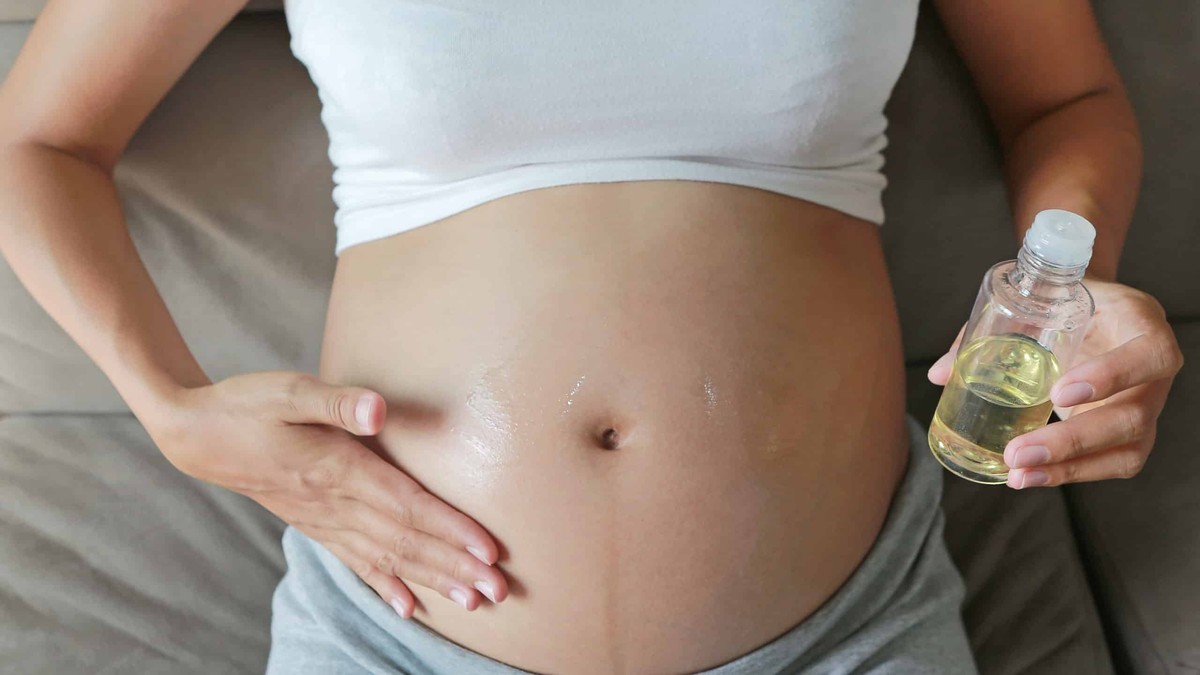
3. Apply Skin-Nourishing Oils
The proper time to apply lotion and other creams is often recommended right after a shower. You should even apply these moisturizing agents when you skin is still moist. Lotions are more likely to be absorbed into your skin when the pores have been opened up- when occurs when hot water and steam surround your skin.
One of the best products to rub into your skin is oil. For individuals who have dry skin, mineral oil can be an option to remove dry flakiness from the skin. But mineral oil can have severe side effects, such as burning, or additional irritation of the skin. An oil that can be used in place of mineral oil to help dry skin or to help create a barrier between the elements and your skin is coconut oil.
Coconut oil has been found to be just as effective as mineral oil in bringing moisture back to skin and ridding it of redness and dryness. It absorbs faster into your skin than other oils and other creams.
Since stretch marks form on your skin when it is dry and has lost the fibers below the surface, it makes sense to prevent your skin from losing moisture. You can rub coconut oil on over your belly and other areas without hurting your growing baby. Being oil, it can be more difficult to ensure it is absorbed into the skin. You can purchase a coconut oil and beeswax combination, which makes the product more like a thick cream. The oil remains on your skin longer and absorbs into your skin.
Helpful Oils to Consume or Apply Topically
- Coconut Oil – This oil has the benefit of an agreeable odor, which makes it easier to apply and to apply more frequently
- Olive Oil – Olive oil is an oil you can both cook with and use on your skin.
- Vitamin E Oil – This oil helps those elastic fibers that sit below your skin. Remember when you help those fibers stay strong or rebuild, stretch marks have a more difficult time developing and are more likely to fade in appearance over time.
- Essential Oils – Edible essential oils can a healthy addition to any foods and consumed, while others must be applied topically.
- Castor Oil – From the castor bean, this oil contains lots of antioxidants.
4. Skin Savers: Apply Skin Lotion With Oil
As mentioned above, coconut oil can be an effective moisturizing agent for the belly during pregnancy, but beyond this oil, you have other oil choices too, many of which come in lotion form:
-
Photo by Hopkinsuniv / CC BY-SA
Shea Butter – This is fat from the Shea tree which grows in Africa.
- Almond Oil – Butter made from almonds is soothing to your skin.
- Wheat Germ Oil– Oil taken from the kernel of the wheat plant, it is highly nutritious.
- Cocoa Butter – Oil taken from the cocoa bean and the same bean that chocolate is made from, can keep your skin moisturized.
- Bio Oil – Refers to the Bio company’s oil product that is specifically designed to minimize scars, stretch marks, and smooth out skin tone.
- Lanolin – This is a wax that comes from the glands of animals, such as sheep and it is also called wool wax
Many of these oils have a wonderful aroma and are easy to apply to your belly or any area of your body that you feel needs more moisture and suppleness. These products can and should be applied pre, during, and post pregnancy. Your skin needs moisture and these products can deliver.
Proceed With Caution: A Chemical Warning
Applying these lotions is doubly important if you enjoy using scented body washes. Body washes often contain various chemicals and additives that dry out your skin even more. These sulfates in the washes also cause a decline in your skin’s elasticity. After using these soaps in the shower, always remember to pat dry your skin rather than harshly rubbing yourself dry. This method can help retain moisture, as well.
A solution to the body wash issue might be to simply quit using them. This simple decision might result in more moisture-packed skin, naturally. Your skin may simply retain much more of its moisture if it does not have to compete with a strong dry soap.
5. Take Your Vitamins
Vitamins can help ward off colds and can contribute to a myriad of other health benefits. When it comes to your skin, vitamin C helps with collagen. Collagen in your skin makes it look fuller. When your skin looks fuller, it can look healthier too. Your body loses its collagen and a way to replenish it is by consuming vitamin C. Stretch marks on your body may appear darker with skin lacking collagen.
Eat The Following Foods to Replenish the Vitamin C in Your Body
- Bell Peppers
- Kale
- Broccoli
- Parsley
- Citrus Fruits
6. Zinc for Your Skin-Strengthening Collagen Levels
Stretch marks develop in pregnant women and non-pregnant women too because of a lack of zinc in the body. The important collagen in your body previously mentioned makes your skin look plumper and more full and healthy. Zinc contributes to this collagen development in your body.
Eat the Following to Replenish your Zinc Levels
- Chicken
- Lamb
- Eggs
- Grains
- Nuts
7. Exercise is Still Important
Keeping and staying active during your pregnancy is another method of reducing stretch marks on your belly. Moving has two benefits for expecting moms. First, exercise burns off extra calories you consume. Second, the circulation in your body is tied to the elasticity of your skin.
When you exercise, your circulation improves. The end result is that when you are pregnant and are more active, this will encourage your skin to retain its elasticity. Being pregnant should not prevent you from doing exercise. Every little bit counts to get your heart rate up, your muscles moving, all to block those stretch marks.
Exercises to Do During Pregnancy
As with anything, check with your obstetrician before you do any of the following exercises:
- Pilates
- Yoga
- Power Walking
- Stretching
- Light Weights – As in some arm lifting, but not with barbells.
All of these exercises, regardless of their level of intensity help increase the circulation in your body. Then the more active you are, the more toning that will take place in your muscles. The more toning that occurs means your stretch marks become lighter and lighter in color. They may not fade completely; but some reduction in appearance is very likely.
8. Post Baby: Keeping Your Body Moving
Just as it was important to keep moving and exercising while you were pregnant, the same applies even more after your baby is born. The positive side to movement post-baby is that you are much freer to do additional exercises without the need to take into account certain positions or levels of intensity.
The additional weight you gained during your pregnancy will also appreciate you moving, too. The opposite rule seems to apply in this case. When gaining weight during pregnancy, it is important not to gain it too quickly. This is how stretch marks find the easiest route to development.
But when losing the baby weight, the faster the better, because the longer the weight sits on you, the more strain on your skin, which as mentioned above, breaks the elastic fibers that sit below the skin’s surface. Of course, overdoing the exercise aspect of slimming down after pregnancy can backfire if you do too much too often.
You could burnout by overdoing the exercise, and negate all of the positive steps you took during your pregnancy. Your exercise plan should be clear, direct, and consistent. Each day you exercise you should want to go out there and do it. You should feel encouraged because you know what the end result will be.
Exercises to Do Post Pregnancy
Here are some good exercises to do after your baby arrives:
- Biking
- Swimming
- Running
- Power Walking
- Hiking
- Lifting Weights
9. Refresh Your Skin: Tips on Exfoliating
Photo by OttawaAC / CC BY-SA
Every woman knows that when their skin glows, they look radiant. But your skin does not glow on its own. It takes work, buffing, moisturizing, oiling and repeating this process on a consistent basis. Exfoliating your skin usually involves a pumice stone and works well on rough areas, like your heels and elbows. But if the thought of rubbing a pumice stone on your belly does not sound so pleasant, don’t worry, because different scrubbing devices are intended for the belly region.
Use a dry brush that is made of soft fibers on your skin. Rubbing the brush in a circular pattern removes dead skin cells and reveals a new healthy and fresh layer of skin. Removing dead skin cells also reduces the appearance of stretch marks. Dry brushes are made with stiff natural fibers.
These kinds of brushes are specifically designed for skin use. The technique should not cause pain. Your belly skin is a prime location for this and should be done a couple of times a week. This technique likely might irritate your skin if performed too frequently.
One area that is not suggested for dry brushing is the breast region. The skin that is in this area is often too sensitive for this sort of harsher exfoliating. You are likely to develop irritation here more frequently and it is an area best avoided.
10. Pointers for Protecting Your Skin From the Sun
Sun protection is critical whether you are pregnant or not, but even more so when you have stretch marks, because the stretch marks on your body are likely to become more noticeable on some people when they are exposed to the sun’s rays. Additionally, sun exposure irritates your skin, causing redness and flakiness, which itches, burns, and scars.
Apply sunscreen to all exposed skin when you decide to go out. Also remember to reapply the sunscreen every few hours as it wears off if you sweat and can wash off completely if you are swimming.
11. Hydration Hints: Drink Water and Eat Foods With Water in Them
Drinking water is an activity that makes your body feel good. Clean, clear water not only quenches your thirst, but it also helps your skin. The cells in your skin need to be clean and fresh to help your skin appear bright. Water or various other liquids can detoxify your body, ridding it of toxins.
- Water: Drink as much water as you like. The recommended amount is eight glasses. Remember that water is in many foods you eat, as well. A tip to help you drink more is to carry a bottle that helps you keep track of how many glasses of water are inside. This way, having all of the water in front of you that you must drink will not be such a daunting task.
- Celery: Celery makes a healthy snack because it’s full of water and nutrients. Spread some peanut butter on it for protein, too.
- Cucumbers: Cucumbers are easy to prepare by slicing them and simply sprinkling a bit of salt and pepper on top. You can also add them to salads.
- Bell Peppers: Bell peppers are great plain as a crunchy snack, but you can also add them to soups, stews, salads and sauces, too.
- Melons: Although tasty on their own, melons can be tossed in a drink or mixed into a fruit salad.
- Strawberries: You can increase your water intake by adding a fruit like strawberries to the glass you are drinking. This adds a slight sweetness, as well as a visual element to your drinks. Slice strawberries are a great addition to cereals, ice cream, pudding and yogurt, too.
- Watermelons: Full of water, chilling this fruit give it and extra crunch some texture.
- Decaffeinated Tea: Caffeine leaches water from your body, so drink tea that does not have any caffeine in it, like herbal tea.
Defending Yourself Against Dehydration
When your body is telling you it needs hydration, it can manifest this in many ways. Pregnancy increases this need for hydration because you are forming a water sack for your little one to develop and be protected in, but drinking water is not just for baby. Supple skin means skin maintains it elasticity, and skin that has its elasticity means it has less stretch marks, or at least less potential for stretch marks.
To stay hydrated, drink whenever you are thirsty and be observant of your own body. Pregnancy can make this monitoring even more important.
Signs of Dehydration
- Chapped Lips
- Dry Mouth
- Being Tired
- Dry Throat
- Headache
- Inability to Concentrate
12. Stretch Mark Removal Takes Time
Stretch marks are a part of your body’s response to pregnancy. They are required in order to create a warm healthy environment for your little one to develop in. Applying lotions, oils, exercising, and moderate eating patterns are effective methods to encourage the elasticity in your skin to remain tight and taut. But stretch marks may still form. They often fade post-pregnancy; but different techniques have been developed to nourish your body and your skin.
Many of the foods mentioned above provide multiple benefits- through various vitamins, or encouraging your body to produce particular healthy byproducts, such as collagen for elasticity.
Just as it took months and months to grow your baby, stretch marks did not develop overnight. These marks also will not leave your body overnight either. Gaining weight gradually during your pregnancy will allow your body and skin a chance to adjust to this big change. Applying lotions, oils, and creams to the area being stretched or already stretched out- that is your belly – keeps your skin moisturized and supple and ultimately taut and tight.
The other stretch mark prevention or reduction tips provided all share something in common. They concern paying attention to not just what is happening inside your body, but the impacts these have on the outside of your body. Hormonal changes, dryness, appetite, movement, and more all directly influence the appearance of your skin.
These skin care and body tips can help you further understand how having a baby affects your skin and how to keep it and you healthy all throughout your pregnancy.
Comments are closed.
Search Our Site
Top 5 Popular Posts
- Your Quick Guide On How To Effectively Remove Stretchmarks
- Stretch Mark Cream Uses – Ways To Use Stretch Mark Cream To Take Good Care Of Your Skin
- Choosing A Stretch Mark Cream – Top Products To Use
- Pregnancy and Your Skin: 12 Effective Epidermis Tips for Expectant Moms
- Stretch Mark Cream In Singapore: Quality And Perfection
Recent Posts
- Pregnancy and Your Skin: 12 Effective Epidermis Tips for Expectant Moms
- Prevention and Remedies: The 8 Common Risk Factors for Stretch Marks
- 15 Skin Changes to Expect When You’re Expecting a Baby
Please follow & like us 🙂